Executive Summary
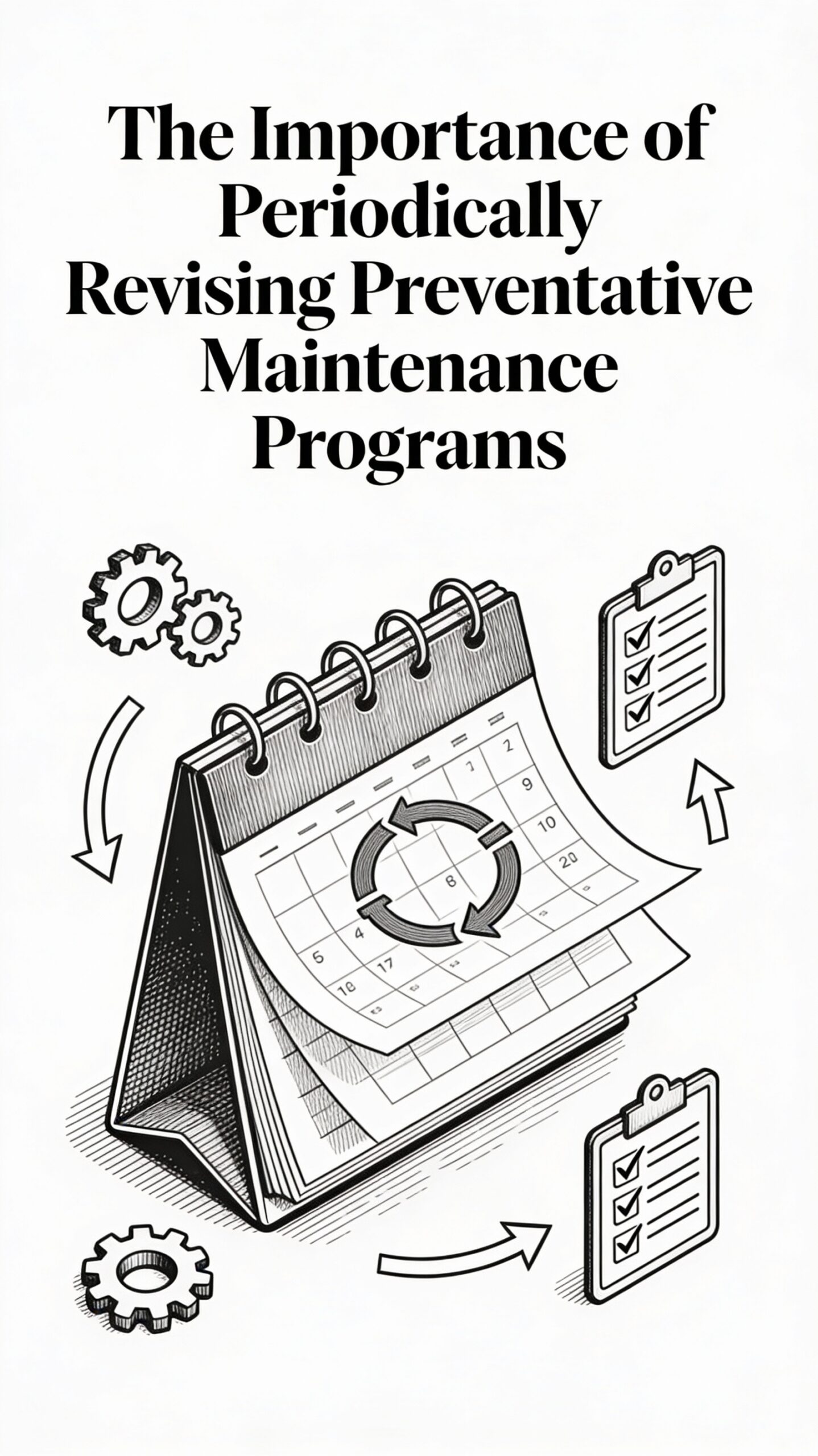
Preventative maintenance revision is what keeps a PM program effective over time.
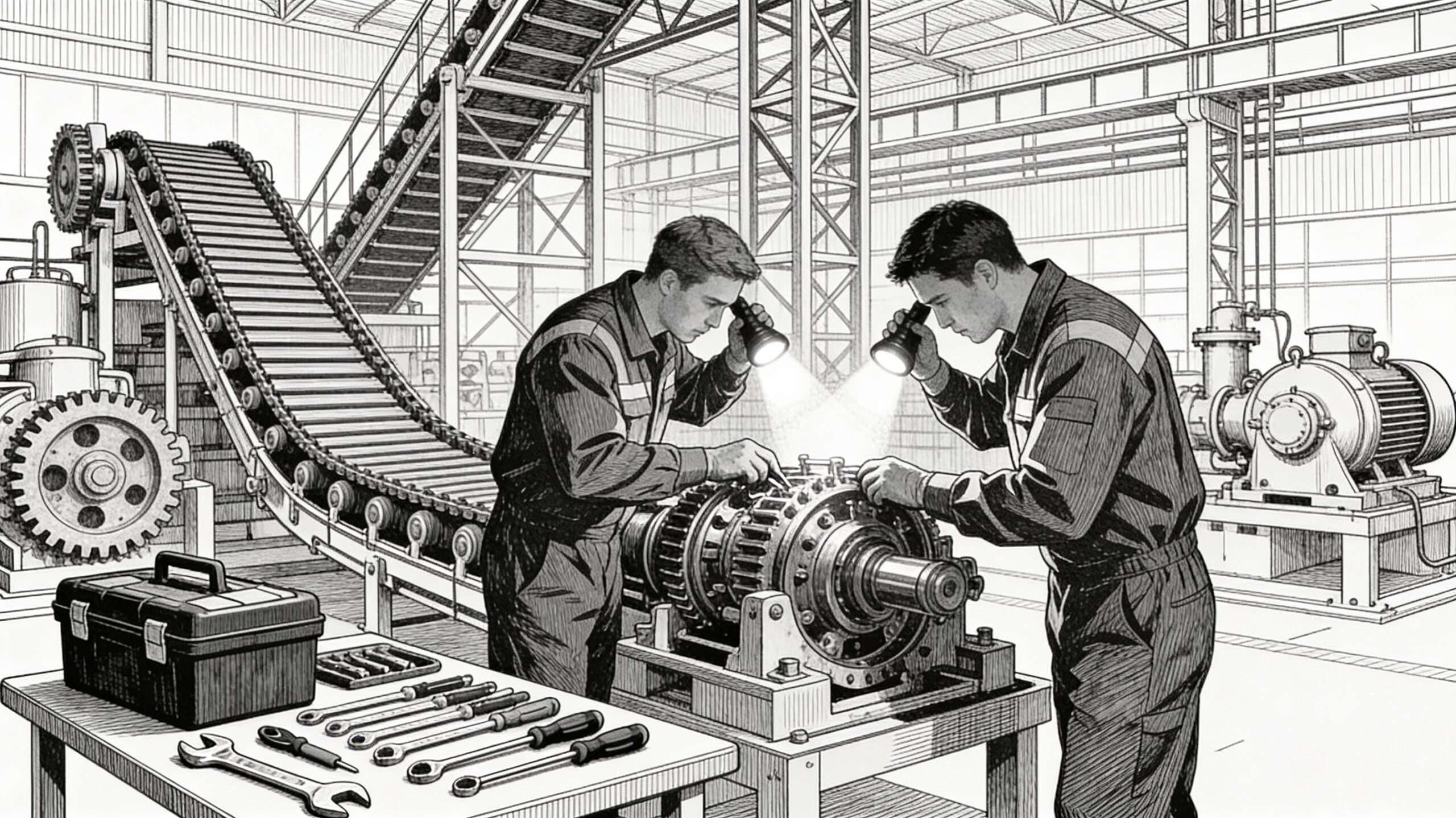
A strong PM approach focuses on preventing equipment failures through regular inspections, maintenance, and repairs. It helps extend asset life, reduce downtime, and improve operational efficiency.
But here’s what many organizations overlook. No maintenance program stays effective forever.
Without periodic revision, even a well-designed PM program becomes outdated. And, disconnected from real operating conditions.
This paper explains why regular revision matters and how it helps align maintenance strategies with changing operations, new technologies, and real data.
Introduction
At its core, preventative maintenance is designed to keep equipment and facilities running in optimal condition through routine checks and maintenance activities.
But things don’t stay the same. Operations change. Technology evolves. Standards get updated.
And when that happens, the maintenance program has to keep up. If it doesn’t, gaps start to appear. What once worked well slowly becomes less effective, and problems begin to show up where they didn’t before.
That’s why periodic revision matters. It keeps the preventative maintenance program relevant, effective, and aligned with how the operation actually runs today.
The Need for Periodic Revision
1. Adapting to Technological Advancements
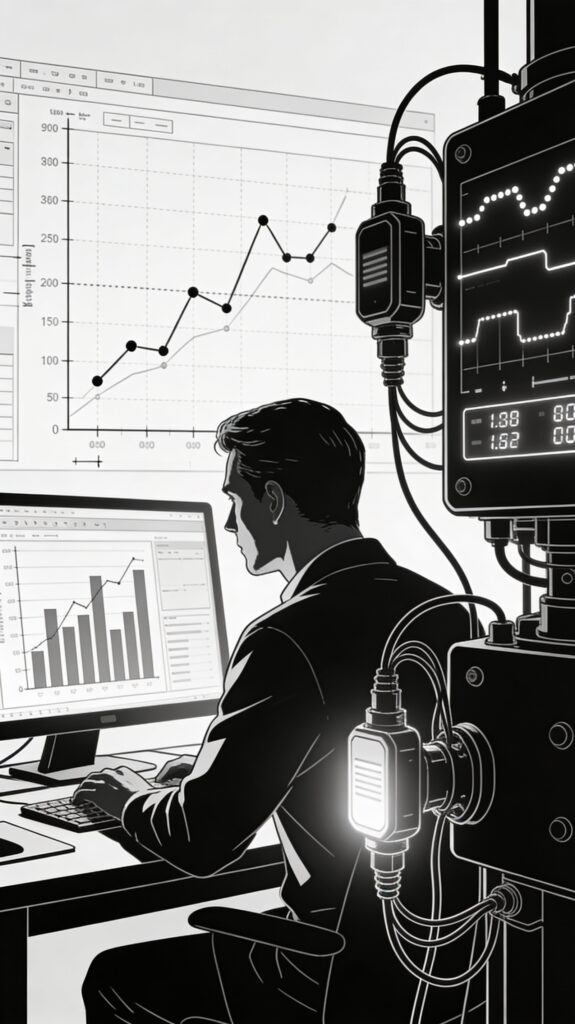
Technology doesn’t stand still, and neither should your maintenance strategy.
New diagnostic tools, sensors, and maintenance techniques continue to emerge.
Updating your preventative maintenance program allows you to take advantage of these improvements and strengthen predictive capabilities.
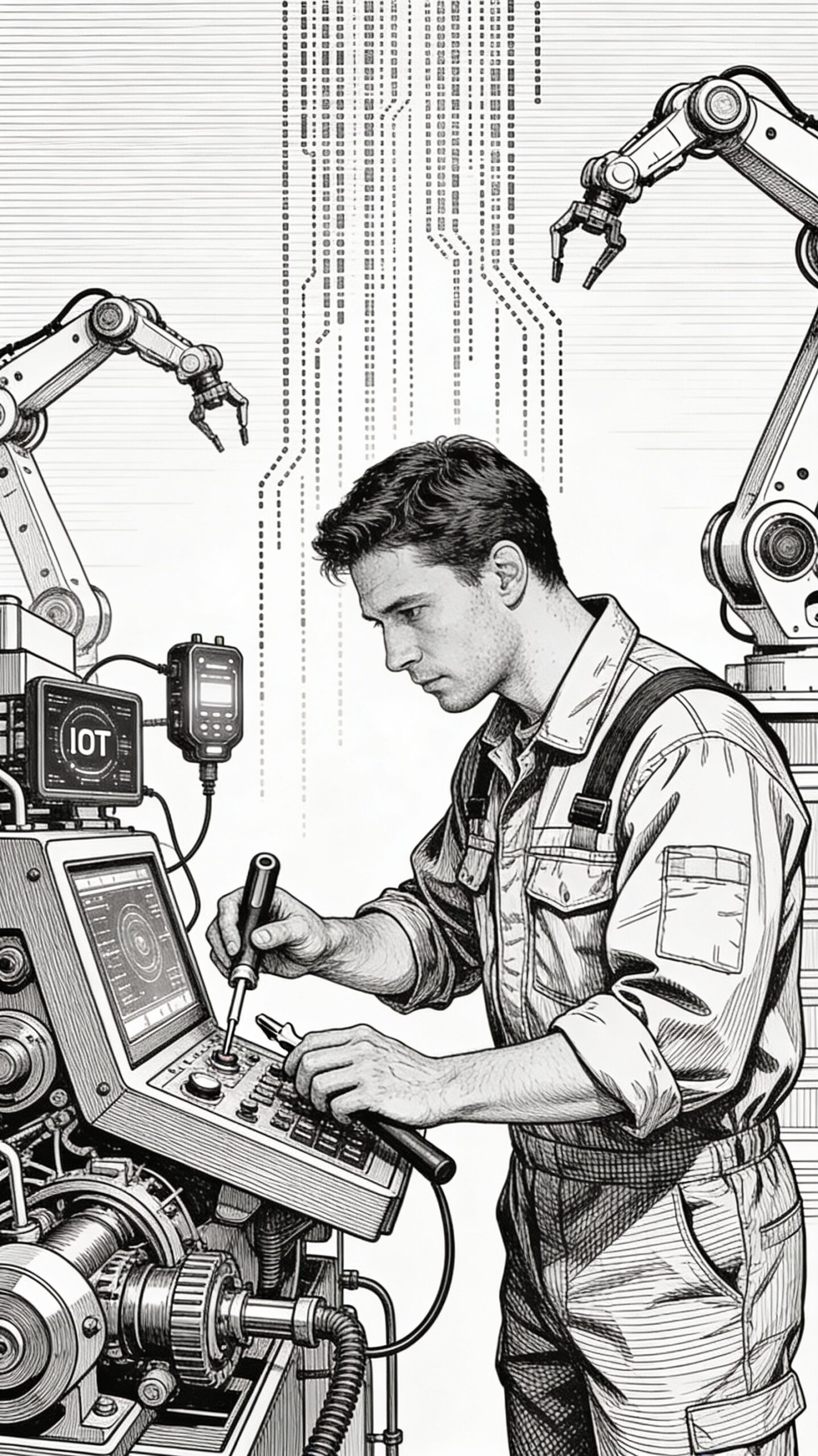
At the same time, automation and IoT are changing how maintenance works.
Real-time monitoring, better data collection, and automated responses are now possible.
Routine updates ensures your PM program actually uses these capabilities instead of ignoring them.
2. Responding to Operational Changes
Operations evolve, sometimes quickly. Production volumes change. Product types shift. Schedules get adjusted.
All of this affects how equipment is used and how it wears.
The preventative maintenance revision makes sure maintenance activities match current reality, not last year’s assumptions.
Compliance also plays a role here. Regulations change, and standards get updated.
Regular reviews help ensure your PM program stays aligned with those requirements and avoids unnecessary risk.
3. Incorporating Data-Driven Insights
Most organizations already sit on valuable maintenance data.
The question is whether they use it.
Looking at historical data helps identify patterns, recurring failures, and inefficiencies.
A strong preventative maintenance revision uses that insight to adjust schedules and improve decision-making.
This is also where condition-based maintenance comes in.
Instead of relying only on time-based intervals, maintenance can respond to actual equipment condition.
That shift alone can significantly improve efficiency and reliability.
4. Enhancing Cost Efficiency
Maintenance always comes with a cost.
The goal is to make sure that cost creates value.
Periodic revision gives you a chance to step back and evaluate what’s working and what isn’t.
A simple cost-benefit review can reveal opportunities to reduce unnecessary work while still protecting reliability.
It also helps optimize how resources are used, from people to spare parts to tools.
5. Improving Reliability and Safety
Reliability and safety don’t happen by accident.
They come from consistent attention to detail.
Regular revision helps identify risks early, before they turn into failures or incidents.
It also reinforces a mindset of continuous improvement.
Instead of maintaining the system as it is, teams actively improve how maintenance is done.
Best Practices for Periodic Revision
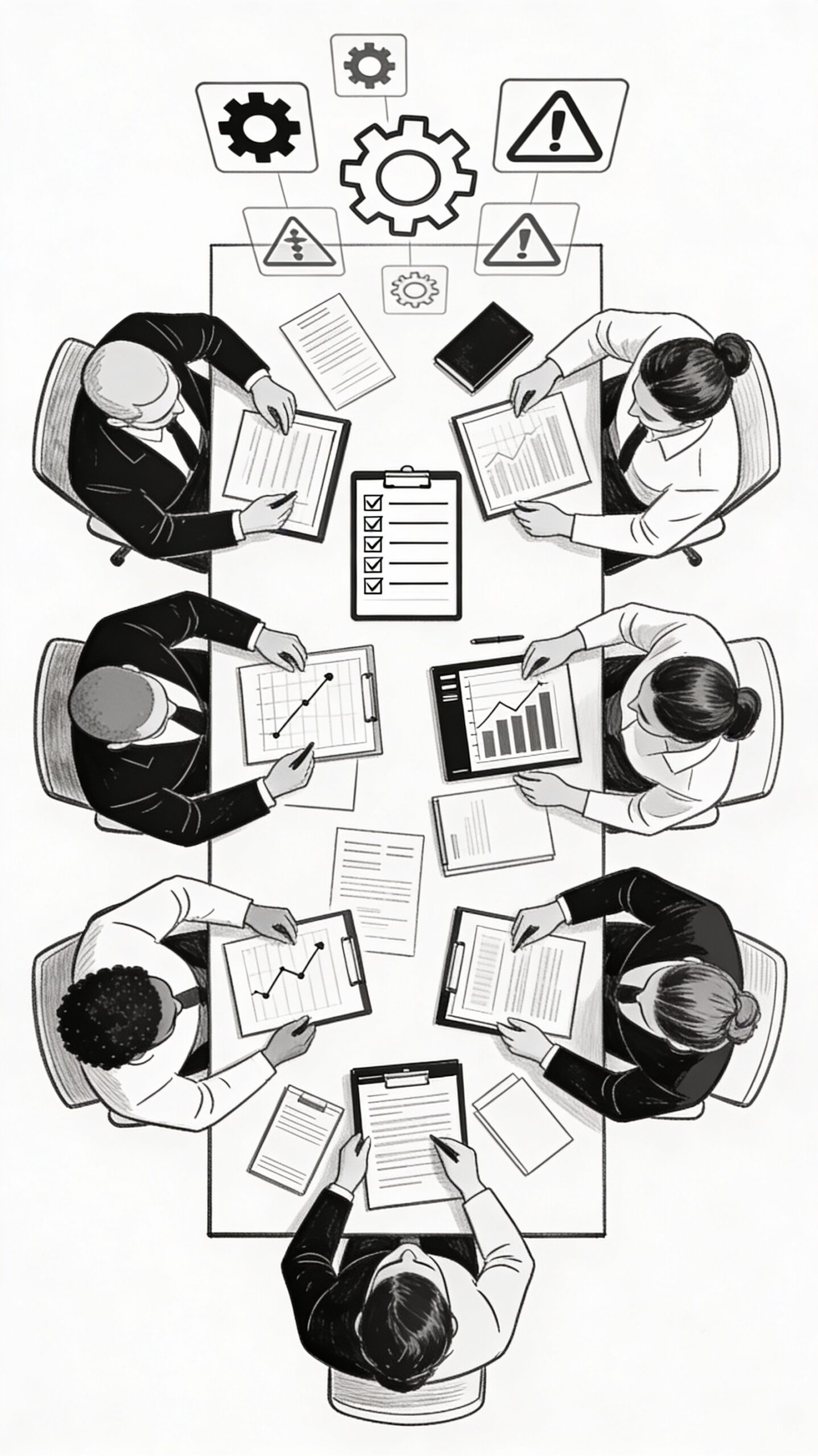
A few simple habits make a big difference here.
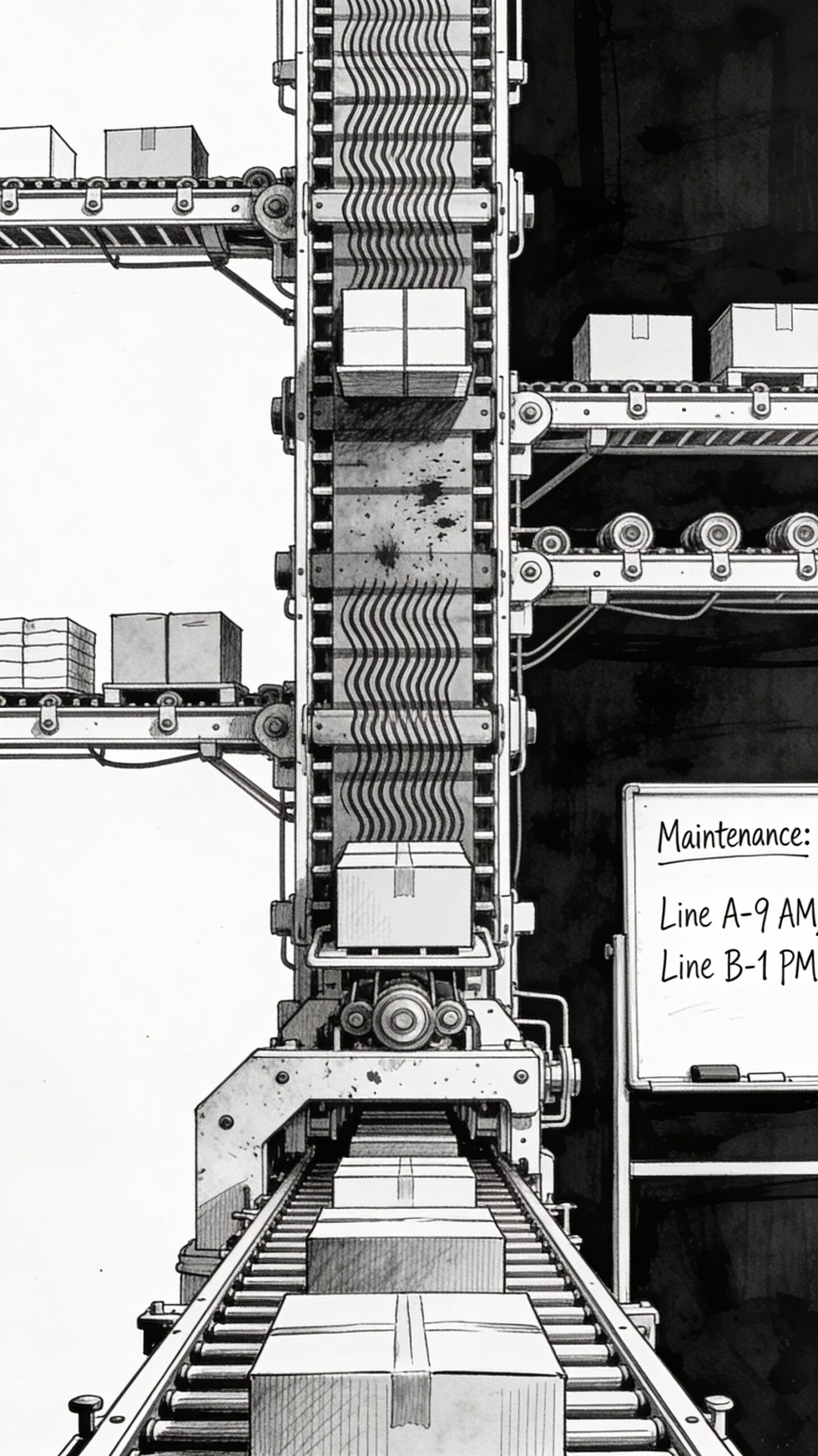
Set a clear review schedule so revisions don’t depend on urgency.
Involve the right people, including technicians, engineers, and operations leaders, to get a complete picture.
Use data to guide decisions instead of relying on assumptions.
Invest in training so the team can keep up with new tools and approaches.
And finally, document and communicate changes clearly so everyone understands what’s expected.
Conclusion:
In reality, preventative maintenance revision is not optional. It’s what keeps the program alive.
When PM programs are reviewed regularly, they stay aligned with real operating conditions, new technologies, and actual performance data.
That leads to better reliability, lower downtime, and stronger overall performance. More importantly, it builds a culture of proactive maintenance. And that’s what ultimately drives long-term operational excellence.