Using Kaizen as a Shortcut Never Works
The first failure happens when Kaizen is used as a shortcut.
A shortcut around weak Daily Management.
A shortcut around unclear standards.
A shortcut around leadership discomfort.
Instead of fixing the system that hides problems, we schedule a workshop and hope focus will compensate for discipline. It never does.
Kaizen doesn’t create clarity. It exposes the lack of it.
Kaizen Rarely Fails in the Room
Most Kaizen doesn’t fail in the workshop.
It fails weeks earlier, quietly, politely, with good intentions. By the time the team walks into the room, the outcome is already predictable. Not because the people aren’t capable, but because the system set them up to struggle.
If you’ve ever finished a Kaizen thinking, ‘That should have worked better‘, this is probably why.
If the Problem Isn’t Visible, It Isn’t Ready
Another quiet failure happens when the problem isn’t real, at least not yet.
It’s not visible on the floor.
It’s not trending on a board.
It doesn’t show up in daily conversations.
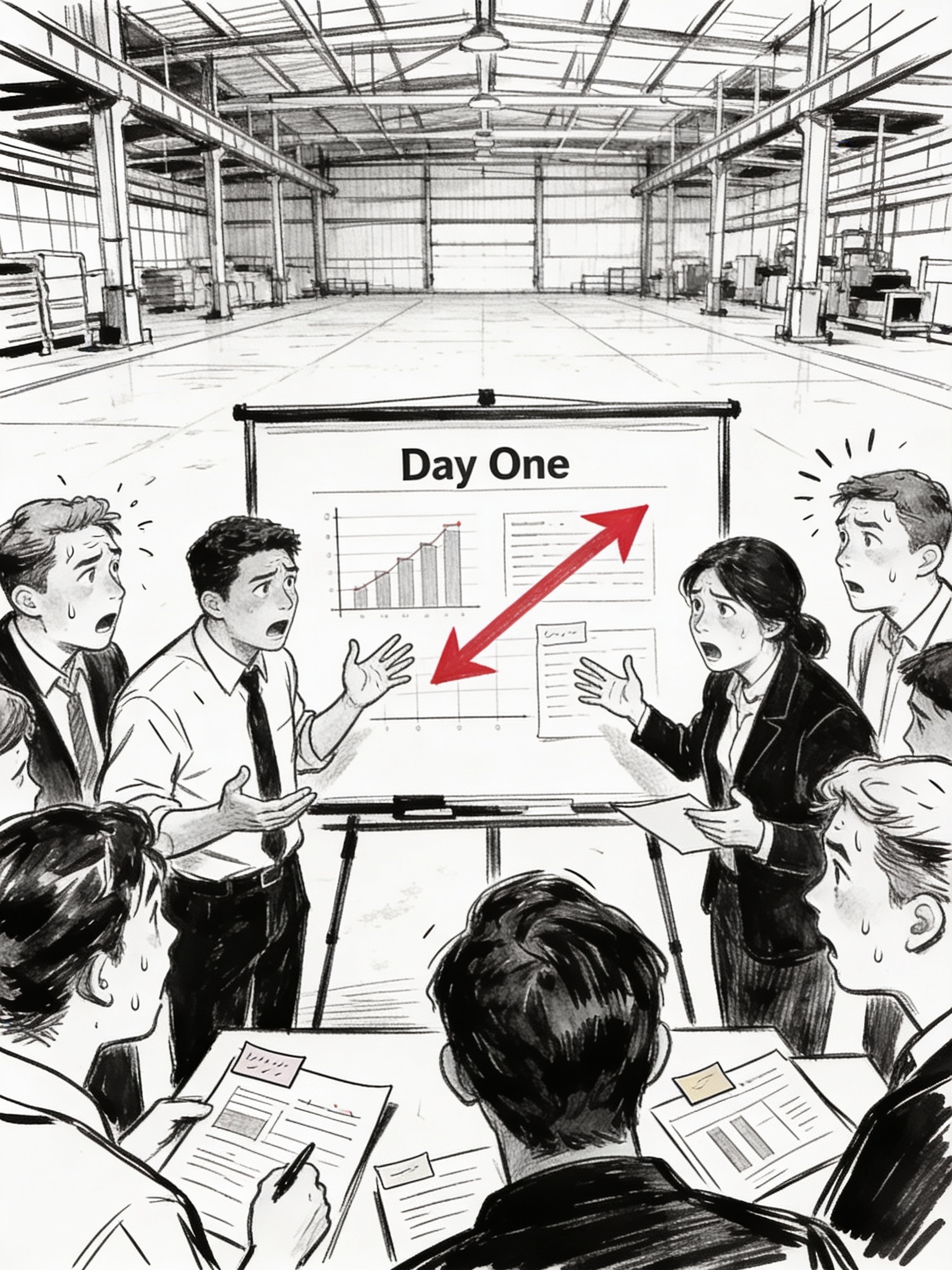
It only appears in a slide deck with a red arrow and a deadline.
So Day One gets spent debating what the problem actually is. By the time the team agrees, half the energy is gone.
If the problem wasn’t painful enough to show up before the Kaizen, it won’t be painful enough to sustain change after it.
Leadership Absence Is the Most Expensive Mistake
Then there’s leadership absence, the most expensive mistake of all.
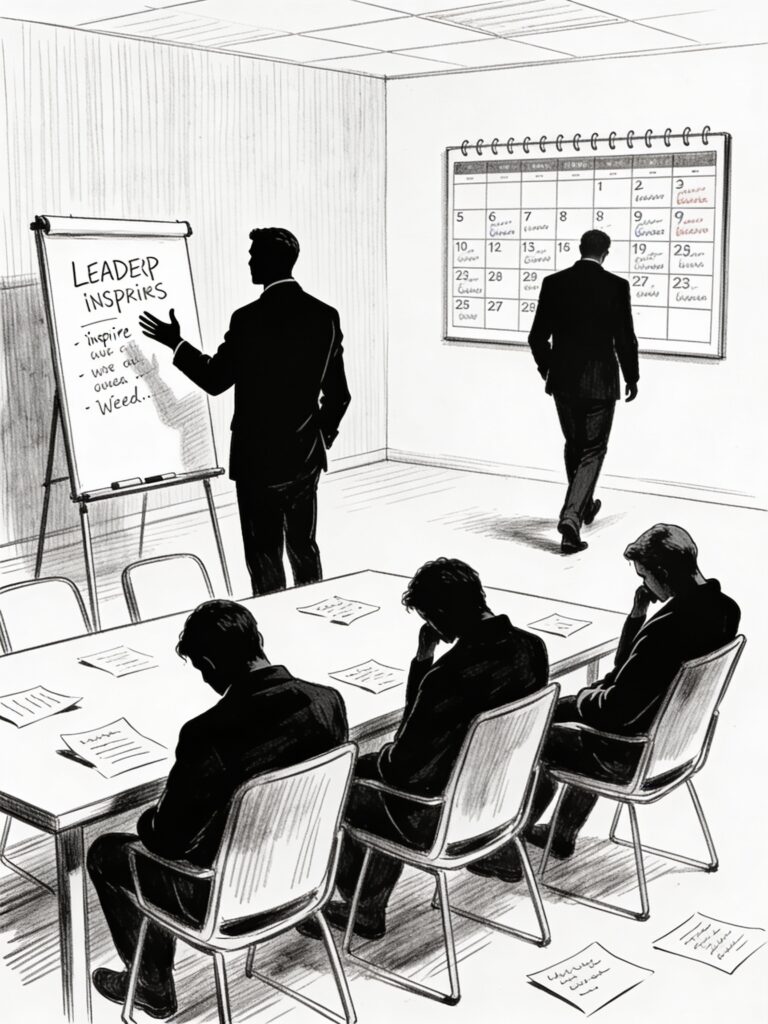
Not intentional absence. Calendar absence.
Leaders open the workshop, say the right things, then disappear into ‘more important’ meetings. The message lands immediately, even if no one says it out loud.
This matters… but not that much.
When that happens, teams solve what they’re allowed to solve, surface issues, workarounds, things that don’t require real decisions.
Kaizen without leadership isn’t empowerment.
It’s containment.
Urgency Creates Motion, Not Learning
Another failure shows up disguised as urgency.
‘We only have three days’.
‘Let’s keep moving’.
‘Don’t overthink it’.
So the team jumps to solutions before they understand the work. Observation gets rushed. Data becomes ‘directionally aligned’. Root cause turns into a confident guess.
Fast Kaizen feels productive. It just doesn’t last.

Improvements Don’t Fail, They Get Abandoned
One of the biggest reasons Kaizen fails before Day One is that no one protects the outcome.
There’s no owner with real authority.
No follow-up built into Daily Management.
No leader routine that checks if the change is holding.
So when the process drifts, and it always does, there’s no system to catch it.
The improvement didn’t fail. It was abandoned.
When Kaizen Feels ‘Extra’, It Never Sticks
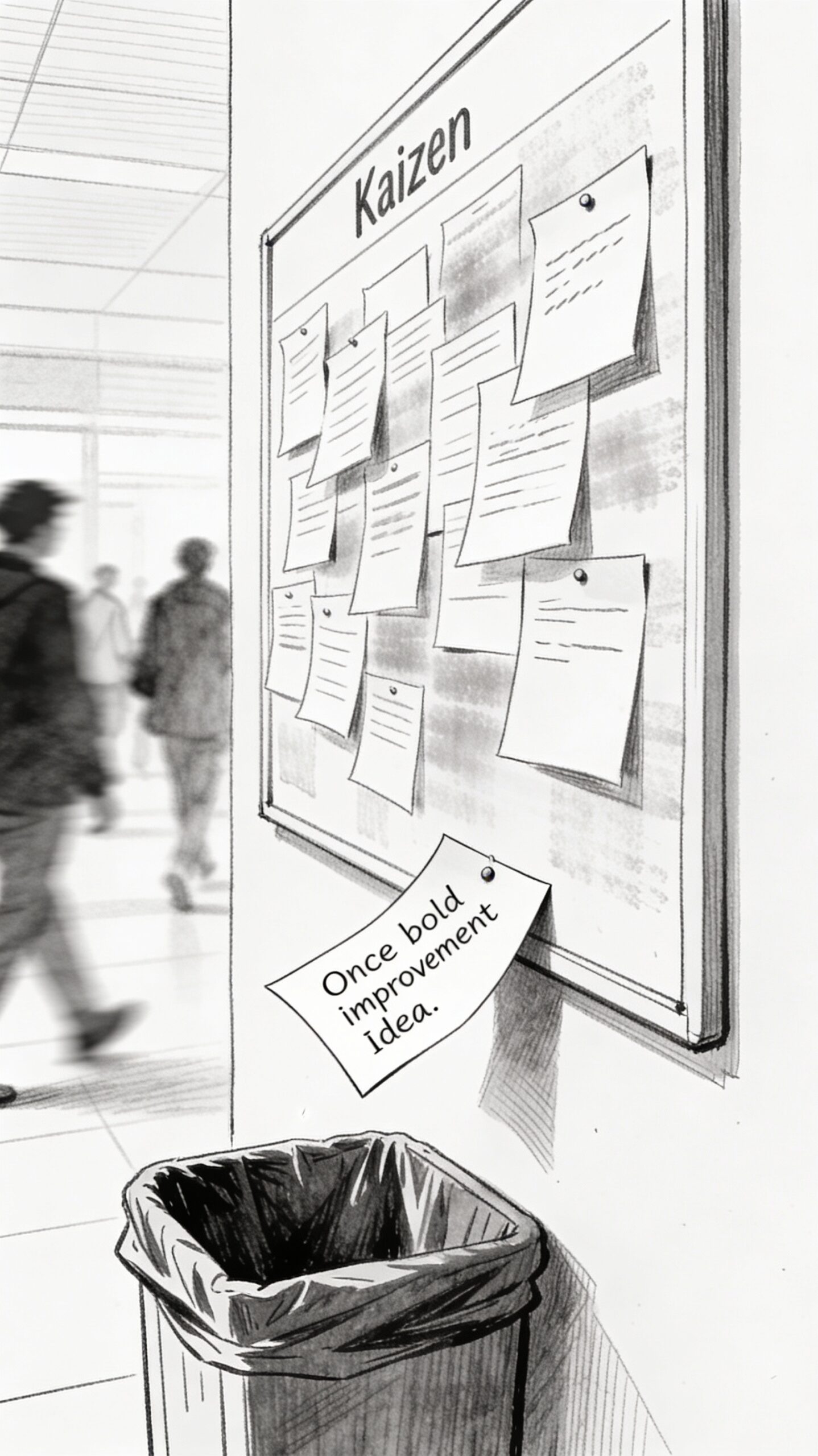
There’s also the unspoken belief that Kaizen is something extra.
Extra work.
Extra effort.
Extra time.
When that belief exists, people participate, but they don’t integrate. Improvements stay inside the workshop instead of becoming the new normal.
Kaizen only works when it changes how the day runs, not just how the week feels.
The Truth Most Organizations Avoid
Here’s the truth most organizations don’t want to admit.
If Daily Management is weak, Kaizen will be cosmetic.
If Leader Standard Work is inconsistent, Kaizen will fade.
If follow-up isn’t disciplined, Kaizen will be remembered, not repeated.
Kaizen doesn’t fail because people resist change. It fails because the system never supported it.
Before You Schedule the Next Workshop
So before you schedule the next Kaizen, pause.
Ask yourself:
Is this problem already visible every day?
Are leaders ready to stay engaged after the event?
Will this change show up in standard work and boards?
If the answer is no, the Kaizen hasn’t failed yet, but it will. Because real improvement doesn’t start on Day One. It starts when the system is ready. And when it is, nothing is impossible.